
Dry Ridge & Vergein Hartlepool,No More Mortar
Eliminate the need for constant mortar repairs with mechanically fixed ridge and verge systems that are built to last in the North East climate.
 5.0 from 14 Google reviews· 16 years in the trade
16 yrs
In the trade
5.0★
14 Google reviews
Insured
Public liability
C&G
Qualified · Checkatrade listed
Overview
Modern, Maintenance-Free Roofing Solutions in Hartlepool
Traditional roofing relies heavily on mortar to secure ridge tiles and the edges of the roof (the verges). However, in the North East, the combination of coastal winds, driving rain, and constant freeze-thaw cycles causes mortar to crack, crumble, and eventually fall away. At East View Roofing Ltd, we specialise in the installation of dry ridge and dry verge systems, a modern, mechanically fixed alternative that eliminates the need for sand and cement entirely. Luke and the team bring 16 years of experience to every installation, ensuring your roof is future-proofed against the elements.
A dry ridge system uses a combination of screws, clamps, and a breathable, high-performance membrane to secure the ridge tiles to the roof structure. This not only provides a far superior mechanical fix that can withstand gale-force coastal winds but also allows for essential ventilation at the highest point of your roof. This helps to prevent condensation build-up in your loft, protecting your timbers from rot and improving the overall health of your home. By moving away from mortar, you remove the weakest link in your roof's defence against the British weather.
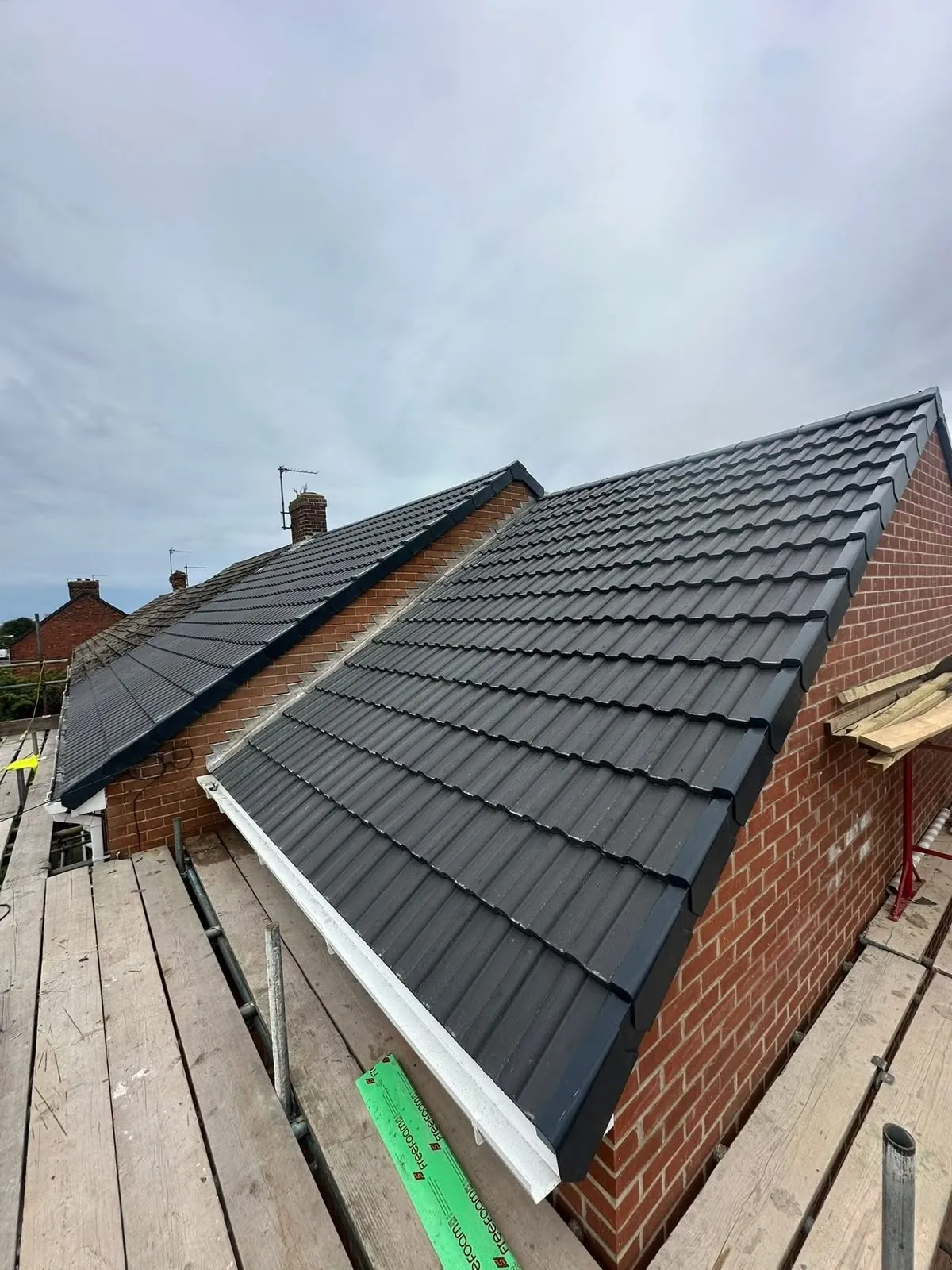
Similarly, dry verge systems replace the vulnerable mortar bedding at the gable ends of your house with durable UPVC caps. These caps interlock to provide a sleek, uniform finish that prevents birds and large insects from entering the roof space while protecting the edges of your tiles from being lifted by the wind. For homeowners in Hartlepool and Teesside, this means an end to the recurring cost of repointing and the worry of falling mortar. We provide free quotes and are City & Guilds qualified, ensuring that your home receives the professional attention it deserves.
Luke has 16 years of experience in the roofing trade and has seen first-hand how much damage a single fallen ridge tile can cause to property and vehicles. By upgrading to a dry system, you are investing in the long-term stability of your roof. These systems are designed to be a fit-and-forget solution, offering a clean, professional look that lasts for decades without the maintenance headaches of traditional sand and cement. Luke always ensures the area is cleaned thoroughly after every installation, leaving your property tidy. Please note that while we install these systems to the highest trade standards, we do not offer a guarantee on dry ridge or dry verge installations or repairs, as they are often fitted to existing structures.
What happens if it's left
The Problems with Traditional Mortar Ridge and Verges
Mortar is a sacrificial material that naturally degrades over time. In our region, this leads to several common and often expensive roofing failures that Luke encounters daily:
Cracking and Falling Mortar
As your house naturally settles and the roof expands and contracts with the temperature, mortar cracks. Once a crack appears, water enters, freezes, and forces the mortar to crumble away. This is an inevitable process with sand and cement in the North East's harsh climate.
Loose Ridge Tiles and Safety Risks
When the mortar bond fails, ridge tiles are held in place only by their own weight. In high winds, these tiles can slide off the roof, causing significant damage to vehicles, conservatories, or even posing a risk to pedestrians below.
Water Ingress at the Gable Ends
Missing mortar on the verge allows wind-driven rain to penetrate the edge of the roof, saturating the batten ends. Over time, this leads to timber rot and can cause damp patches on internal walls, which are expensive to repair.
Pest Entry Points and Debris
Gaps in crumbled mortar are the perfect size for wasps, bees, and small birds to build nests. These pests can damage your roofing felt and insulation once they gain access to the loft space, leading to further structural issues.
Common Installation Mistakes to Watch Out For
- Using low-quality, non-UV-stable plastic verge caps that become brittle and snap after just a few years in the sun, leading to system failure.
- Failing to install the correct starter and end kits, which are essential for securing the system against high winds and ensuring it remains in place for years.
- Installing dry ridge without a proper breathable membrane, which can lead to leaks through the screw holes and water damage to the ridge board.
- Not clearing away the old, failed mortar properly before fitting the new dry system, which prevents a flush, secure fit and compromises the weatherproofing.
Our process
How We Install Your Dry Ridge and Verge System
- Step 1
Removal of Old Mortar
We carefully remove all the existing, failed mortar from the ridge and verge areas. We ensure the tiles are clean and the underlying structure is sound before proceeding with the new installation.
- Step 2
Batten Preparation and Inspection
We inspect and, if necessary, replace the timber tiling battens at the edges and the ridge board to ensure they provide a solid, rot-free anchor for the new mechanical fixings required by BS 5534.
- Step 3
Dry Ridge Installation
We lay a high-quality ventilating ridge roll along the apex. The ridge tiles are then placed back and secured using stainless steel screws and plates through the ridge union, creating a watertight, windproof seal that allows the roof to breathe.
- Step 4
Dry Verge Fitting
We fit the individual verge caps starting from the bottom of the gable. Each cap is screwed into the tiling batten and interlocked with the one above, creating a continuous, protective edge that shields the roof from wind and rain.
- Step 5
Final Alignment and Site Clean
Luke performs a final inspection to ensure every component is perfectly aligned and securely fixed. We then clear all old mortar and debris from your property, leaving it exactly as we found it.
What you get
Why Upgrade to a Dry Fixed System?
Maintenance-Free Living
Forget about the regular cost of repointing every few years. Once installed correctly, these systems require no further upkeep for their entire lifespan, saving you money and hassle.
Superior Storm Resilience
Mechanical fixings are significantly stronger than a traditional mortar bond. This ensures your ridge tiles stay in place even during the most severe North East storms and coastal gales.
Improved Loft Ventilation
The dry ridge system provides natural air flow through the roof apex. This is essential for preventing the build-up of dampness and rot in your loft space and insulation.
Pest Prevention
Dry verge caps provide a complete and permanent seal at the gable ends, making it impossible for birds or large insects to nest in your roof line and cause damage.
Clean and Modern Aesthetics
The systems provide a neat, uniform line along the ridge and gable, instantly modernising the appearance of your home and improving its kerb appeal for years to come.
Increased Property Value
A roof that is visibly well-maintained and free from mortar issues is a significant selling point for any property, showing potential buyers that the home has been looked after.
In detail
Technical Excellence in Dry Fix Technology
Dry fix roofing is now the standard for new builds in the UK under BS 5534, but it is also the smartest upgrade you can make to an older property to ensure longevity.
The Mechanics of a Dry Ridge System and BS 5534
A dry ridge system is more than just screws; it is a carefully engineered assembly designed to meet the mechanical fixing requirements of BS 5534. It includes a multi-layered ridge roll that acts as a gasket. This roll is made from a breathable, water-resistant fabric with corrugated aluminium edges that are adhesive-backed. When we install it, the aluminium edges are shaped to the profile of your tiles, creating a secondary barrier against wind-driven rain and snow.
The ridge tiles themselves are then clamped down using stainless steel unions and plates. These unions distribute the pressure evenly across the tiles, preventing them from cracking while holding them firmly against the roof structure. This mechanical connection is far superior to mortar, which can easily be broken by the natural thermal movement of the roof. By providing a secure, flexible connection, the dry ridge system allows the house to move without compromising the integrity of the roof's apex.
Coastal Wind Exposure and Mechanical Fixing
Living in Hartlepool or near the Teesside coast means your roof is subject to higher wind loads than many inland properties. Standard mortar bedding often fails prematurely in these environments because the wind can create a 'suction' effect that lifts tiles slightly, breaking the brittle mortar bond. Once the bond is broken, the ridge tile is vulnerable to being blown off entirely.
Mechanical fixing, as provided by dry ridge and dry verge systems, is specifically designed to resist these uplift forces. Each component is physically screwed into the roof timbers, providing a level of security that mortar simply cannot match. This is why insurers often prefer dry fix systems in coastal areas, as they significantly reduce the likelihood of storm-related damage claims.
Why Dry Verge Outperforms Mortar in the North East
The verge (the edge of the roof over the gable wall) is one of the most exposed parts of a house. Mortar in this location is constantly buffeted by wind and rain. As the mortar degrades and cracks, water can seep into the ends of the tiling battens, causing them to rot. This eventually leads to the edge tiles becoming loose and the roof structure being compromised.
Our dry verge caps are made from high-impact, UV-stabilised polypropylene. They are designed with 'weep holes' that allow any moisture that does get behind the cap to drain away harmlessly. By enclosing the edge of the tile and the batten end, the system provides a complete shield against the elements. This prevents the 'peeling' effect that often happens to tiled roofs during high winds, ensuring the most vulnerable part of your roof remains secure for decades.
Ventilation and the Health of Your Roof Structure
One of the hidden benefits of a dry ridge system is its role in roof ventilation. Building regulations (BS 5250) emphasise the importance of airflow in preventing interstitial condensation. Traditional mortar ridge tiles seal the top of the roof completely, trapping warm, moist air inside the loft space. This can lead to damp insulation and rot in the rafters.
The ridge roll used in our dry systems is vapour-permeable. It allows air to circulate out of the loft space while preventing rain from getting in. This constant airflow helps keep your insulation dry and your roof timbers healthy, potentially preventing thousands of pounds in rot-related repairs further down the line. It's a simple change that makes a massive difference to the longevity of your entire roof.
Compatibility with Different Tile Profiles and Natural Slate
Whether your home has traditional clay Rosemary tiles, modern concrete interlocking tiles, or even natural slate, there is a dry fix system designed to suit. We select the specific system that matches your tile profile to ensure the best possible fit and aesthetic finish. This includes selecting the correct 'union' size for the ridge and the appropriate verge cap shape for the tile depth.
For slate roofs, we use specialized ridge systems that maintain the low profile and sleek look of the natural stone while still providing mechanical security and ventilation. For high-profile concrete tiles, we use ridge rolls with extra-wide adhesive wings to ensure a perfect seal against the deep grooves. Luke will advise on the best system for your specific roof during your free inspection, ensuring a tailored solution for your Hartlepool home.
FAQ
Dry Ridge & Dry Verge Systems: Your Questions Answered
Is dry ridge better than mortar for my roof?
Yes. Dry ridge is mechanically fixed, meaning it won't crack or fall off like mortar often does. It also provides essential ventilation to your roof space, preventing condensation and rot.
Can you install dry verge on an old roof?
Absolutely. We can retro-fit dry verge systems to most existing roofs, provided the tiling battens are in good condition. We inspect these as part of our free quote process.
How long does it take to install a full system?
A typical dry ridge and verge installation for a semi-detached house usually takes 1 to 2 days, depending on the height and complexity of the roof.
Do dry verge caps come in different colours?
Yes, they are usually available in grey, black, brown, and terracotta to match your existing tiles and ensure a seamless aesthetic finish.
Will a dry ridge system stop my roof from leaking?
If your leak is coming from failed ridge mortar or loose ridge tiles, then yes. However, we always conduct a full inspection to ensure there are no other issues with your felt or tiles.
Is there a guarantee on dry ridge systems?
While we do not offer a formal guarantee on dry ridge/verge repairs or installations (unlike our new roof installations), these mechanically fixed systems avoid the cracking and loose mortar that traditional bedding suffers from.
Why is my mortar falling off my ridge tiles?
It's usually due to the age of the mortar combined with the North East's weather. The freeze-thaw cycle is particularly destructive to traditional sand and cement mixes, causing them to expand and crumble.
Does dry ridge meet modern building regulations?
Yes, modern dry fix systems are the preferred method for meeting current UK building regulations (BS 5534) regarding roof ventilation and mechanical fixing.
How much do roof repairs typically start from?
Our roof repairs start from £150, although the cost of a full dry ridge or verge system will depend on the size of your property. We always provide free, transparent quotes.
Are you insured for this type of roofing work?
Yes, East View Roofing is fully insured, and Luke is City & Guilds qualified with 16 years of experience in the trade.
Dry Ridge & Dry Verge Systems Across the North East
Based in Hartlepool and covering County Durham, Teesside and Tyne & Wear, including:
Hartlepool · Durham · Stockton-on-Tees · Sunderland · Washington · Chester-le-Street · Gateshead · County Durham · Billingham · Peterlee · Seaham · Middlesbrough
See every town our roofers cover across the North East →
Stop Repairing Your Mortar Every Year
Upgrade to a maintenance-free dry ridge and dry verge system today. Contact Luke at East View Roofing for a free quote in Hartlepool and the surrounding areas. Save yourself the stress and cost of recurring repairs.
5.0 on Google · Fully insured · Checkatrade listed · Free quotes